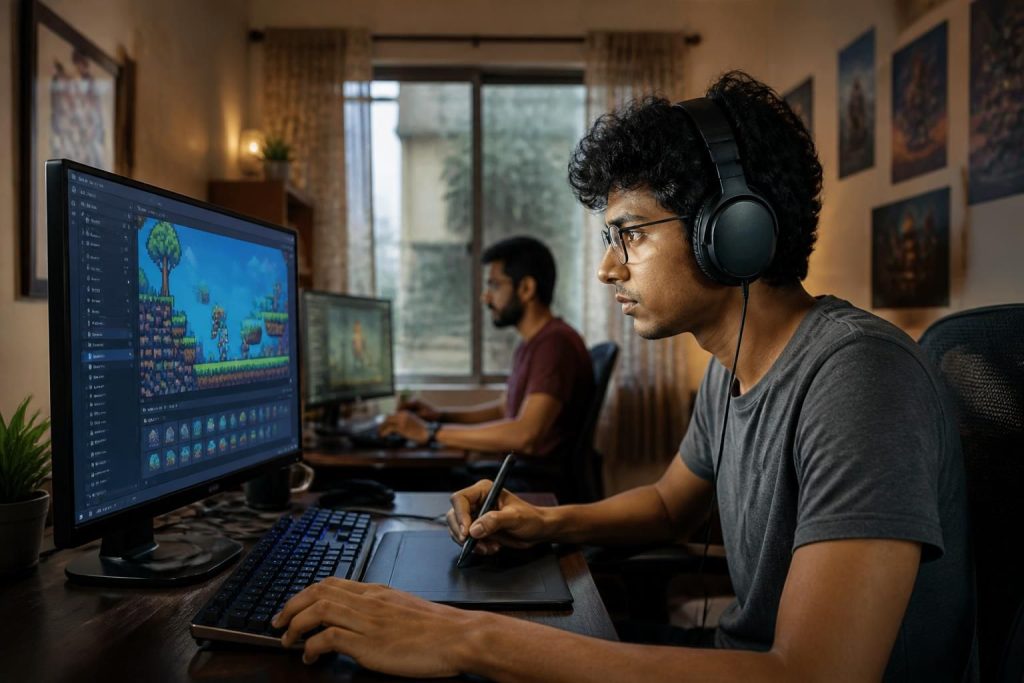

Indie game development is flourishing in emerging markets worldwide, fueled by advances in technology and a growing appetite for unique gaming experiences. These independent creators, often working with limited resources, are carving out niches that showcase innovative gameplay and compelling narratives. As the global gaming industry continues to evolve, it is evident that indie developers are becoming a vital component of this dynamic landscape.
Emerging Markets: A Hotbed for Indie Talent
In recent years, regions such as Southeast Asia, South America, and parts of Africa have become increasingly important in the world of indie game development. Countries like Indonesia, Brazil, and Nigeria are home to vibrant gaming communities and burgeoning talent pools. Developers in these regions are leveraging their cultural backgrounds to create games that resonate with local and international audiences alike.
One of the driving forces behind this growth is the accessibility of technology. With smartphones becoming ubiquitous, developers can create and distribute games without the need for expensive equipment or significant investment. This has democratized game development, enabling budding creators to turn their ideas into playable experiences. Additionally, platforms such as Steam, itch.io, and mobile app stores provide avenues for these developers to reach consumers directly, bypassing traditional publishing constraints.
Funding and Support: Accelerating Indie Projects
While access to technology is crucial, financial support is also essential for indie game development to thrive in emerging markets. Crowdfunding platforms like Kickstarter and Indiegogo have emerged as popular methods for financing projects, allowing developers to solicit funds directly from potential players. This approach not only generates necessary capital but also builds a community around the game, fostering a sense of ownership and investment among backers.
Moreover, local governments and organizations are beginning to recognize the economic potential of the gaming industry. Initiatives such as grants, incubators, and game development festivals are springing up to provide support and mentorship to indie developers. For instance, Brazil’s Games in Brazil initiative promotes local talent and encourages collaboration within the indie scene, while Nigeria’s Game Development Conference connects developers with industry veterans. These initiatives help create an ecosystem in which indie developers can flourish.
Unique Storytelling: Capturing Cultural Narratives
One of the hallmarks of indie game development, particularly in emerging markets, is the emphasis on unique storytelling. Independent developers often draw inspiration from their cultural histories, folklore, and societal issues, resulting in games that reflect their personal experiences and perspectives. This authenticity resonates with players, offering narratives that are distinct from the mainstream offerings of larger studios.
For example, “A Short Hike” by Adam Robinson-Yu offers a simple yet profound exploration of nature and self-discovery that reflects a personal connection to the developer’s experiences. Similarly, games like “Akinator” from France and “Gon’ Echi” from Brazil showcase local folklore and traditions, allowing players to engage with diverse cultural heritages. Through such storytelling, indie games not only entertain but also educate audiences about different cultures, fostering a greater understanding of the world. For more on this topic, see สล็อต.
The Role of Community: Building a Supportive Ecosystem
In the realm of indie game development, community plays a pivotal role in shaping success. Whether through online forums, social media groups, or local meetups, developers often share resources, feedback, and support. This collaborative environment is especially beneficial in emerging markets, where developers may face challenges such as limited technical resources or lack of formal training.
Online platforms, such as Discord and Reddit, have enabled the growth of virtual communities where developers can connect, share experiences, and collaborate on projects. Additionally, international events like the Global Game Jam encourage teamwork and creativity, allowing indie developers from diverse backgrounds to come together and create games in a short timeframe. Such initiatives create bonds that can last well beyond the initial project, fostering a culture of mutual support and shared learning.
Challenges Ahead: Navigating the Indie Landscape
Despite the growth and potential of indie game development in emerging markets, challenges remain. Developers often face issues related to funding, distribution, and visibility in a crowded marketplace. While platforms like Steam and mobile app stores provide opportunities for exposure, the sheer volume of games available can make it difficult for indie titles to stand out.
Moreover, maintaining sustainable income from game development can be tough, particularly without established networks or marketing strategies. Developers need to be agile and adapt to changing trends and consumer preferences, which can require additional skills beyond game design. This often means indie developers must wear multiple hats, balancing creation with promotion and community engagement.
Furthermore, as the industry continues to grow, developers in emerging markets may encounter intense competition not just locally, but globally. With larger studios increasingly focusing on mobile and indie-like offerings, maintaining a unique voice and vision becomes critical in standing out.
Conclusion: The Future of Indie Game Development
In conclusion, indie game development is gaining significant traction in emerging markets around the world, driven by technological advances, funding opportunities, and a strong emphasis on unique storytelling. The ability to create and distribute games independently allows developers to showcase their cultural narratives and connect with audiences on a deeper level. However, as they navigate the challenges of the industry, continued support from communities, governments, and established platforms will be crucial in ensuring that this vibrant sector thrives. As the landscape evolves, the contributions of indie developers will undoubtedly shape the future of gaming, making it more diverse and inclusive for players everywhere.