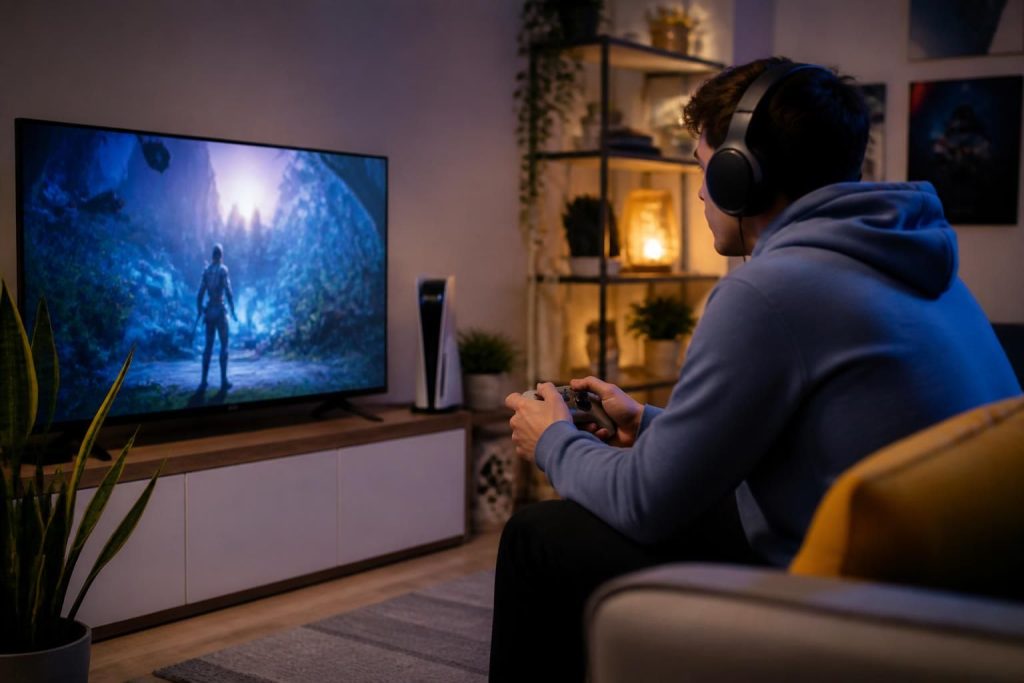

Healthy gaming habits and screen time are essential components of maintaining a balanced lifestyle in an increasingly digital world. With the rapid growth of online gaming, including video games, mobile apps, and esports, many individuals find themselves spending prolonged hours in front of screens. This article explores the critical aspects of cultivating healthy gaming practices, managing screen time effectively, and ensuring that gaming remains a positive part of life rather than a point of contention.
Understanding the Importance of Screen Time Management
Effective screen time management can significantly impact a gamer’s physical and mental health. As gaming becomes more immersive, players often lose track of time, leading to excessive gameplay that can disrupt daily routines, sleep patterns, and social interactions. Establishing a structured gaming schedule can help mitigate these risks. This may involve setting specific time limits for daily gaming sessions and adhering to them rigorously. By doing so, players can enjoy their favorite games without compromising their overall well-being.
Moreover, the concept of healthy gaming habits and screen time is not solely about limiting hours spent playing; it also encompasses the quality of that time. Engaging in games that promote cognitive skills, teamwork, and problem-solving can enrich the gaming experience. Players should seek out titles designed with educational or cooperative elements that encourage social interaction, such as multiplayer online battle arenas or puzzle-solving games.
Incorporating Breaks and Physical Activity
One of the most critical healthy gaming habits is the incorporation of regular breaks during gameplay. Prolonged periods of screen exposure can lead to eye strain, poor posture, and reduced physical activity. To counteract these effects, gamers are encouraged to adopt the 20-20-20 rule: after every 20 minutes of play, take a 20-second break and look at something 20 feet away. This simple practice can help alleviate eye fatigue and maintain focus.
Integrating physical activity into gaming routines can also improve health outcomes. This can involve simple stretching exercises during breaks or participating in games that require physical movement, such as virtual reality (VR) experiences or fitness-based titles. Engaging in physical activities not only boosts health but also enhances mental acuity, making gameplay more enjoyable and productive.
Setting Healthy Boundaries with Gaming
Establishing healthy boundaries is a crucial aspect of maintaining a balanced relationship with gaming. For many, especially youth, gaming can serve as an emotional outlet or a means of social connection. However, without proper limits, it’s easy for gaming to consume excessive time and attention. Communicating openly about gaming time with family or friends can create a support system that reinforces the importance of moderation.
Additionally, utilizing parental controls on various gaming platforms can assist in regulating the amount of time younger players spend gaming. These controls can help set limits and monitor gameplay, ensuring children engage in a variety of activities that contribute to their development. For adults, similar self-imposed restrictions can promote healthier habits, like prioritizing social engagements or other hobbies over screen time. For more on this topic, see crypto bet.
Recognizing Signs of Gaming Addiction
A burgeoning concern in the realm of online gaming is the potential for addiction, which can manifest in several ways. Indicators of unhealthy gaming behavior include neglecting responsibilities, experiencing withdrawal symptoms when unable to play, and an increasing amount of time spent gaming, often at the expense of other activities. Being aware of these signs is the first step toward implementing healthier gaming habits and screen time management.
If an individual recognizes these symptoms in themselves or others, seeking help from professionals, such as counselors trained in digital addiction, can be beneficial. Many resources are available to provide strategies that encourage a healthier relationship with gaming, including group support or therapy. Understanding that gaming should be a form of entertainment rather than an escape can help individuals regain control over their habits.
Creating a Balanced Gaming Environment
Finally, cultivating a healthy gaming environment plays a significant role in supporting healthy gaming habits. This can include ensuring that the gaming space is ergonomically designed to promote good posture, using appropriate lighting to minimize glare, and selecting comfortable seating arrangements. A well-organized and distraction-free space can significantly enhance the gaming experience while also safeguarding physical health.
Furthermore, balancing gaming with other activities—such as reading, exercising, or engaging in outdoor pursuits—can create a more rounded lifestyle. For those interested in competitive gaming or esports, it is essential to remember that while skill development is important, so is maintaining a fulfilling life outside of gaming. By nurturing a diverse set of interests, players can develop a well-rounded identity that enhances their presence in the gaming community.
In conclusion, fostering healthy gaming habits and screen time is crucial in today’s digital age. By understanding the importance of managing screen time, taking regular breaks, setting boundaries, recognizing signs of addiction, and creating a balanced environment, gamers can ensure that their passion remains enjoyable and enriching. Remember to take a step back from the screen occasionally to appreciate the world beyond the game. Ultimately, healthy gaming habits and screen time practices will help individuals find joy in gaming while maintaining a balanced lifestyle. For those looking to explore different aspects of gaming culture and technology, check out resources like https://stakeobet.com/ and consider exploring various gaming innovations available today.
